
Beyond the Peel: Why Your Skin Barrier Is the Secret to a 40s Glow

We have all been there. You wake up, look in the mirror, and decide that your skin looks a bit dull. Your first instinct is probably to reach for the strongest exfoliant in your cabinet. We have been conditioned by years of beauty marketing to believe that if we aren't peeling, scrubbing, or stinging, we aren't "doing enough" for our faces. But as we navigate our late thirties and beyond, that aggressive approach usually backfires.
In the US, we are seeing a major shift in the clean beauty world. We are moving away from the "scorched earth" policy of the early 2000s and toward something much more sustainable: barrier first skincare. Your skin barrier, or the acid mantle, is your body’s first line of defense. When it is healthy, your skin is plump, hydrated, and resilient. When you over-exfoliate, you are essentially tearing down the walls of your own house and wondering why it feels cold inside.
The Signs of a Compromised Barrier
How do you know if you have gone too far? It is usually pretty obvious. If your skin feels tight after washing, if your usual products suddenly start to sting, or if you are dealing with random patches of redness and "texture," your barrier is likely shouting for help.
For many professional women, this is compounded by stress and environmental factors. We are running from air-conditioned offices to polluted city streets, and our skin is absorbing all of it. A compromised barrier cannot keep the moisture in or the irritants out. This leads to what we call "inflammaging," a state of chronic low-grade inflammation that actually accelerates the aging process.
The Barrier Repair Audit
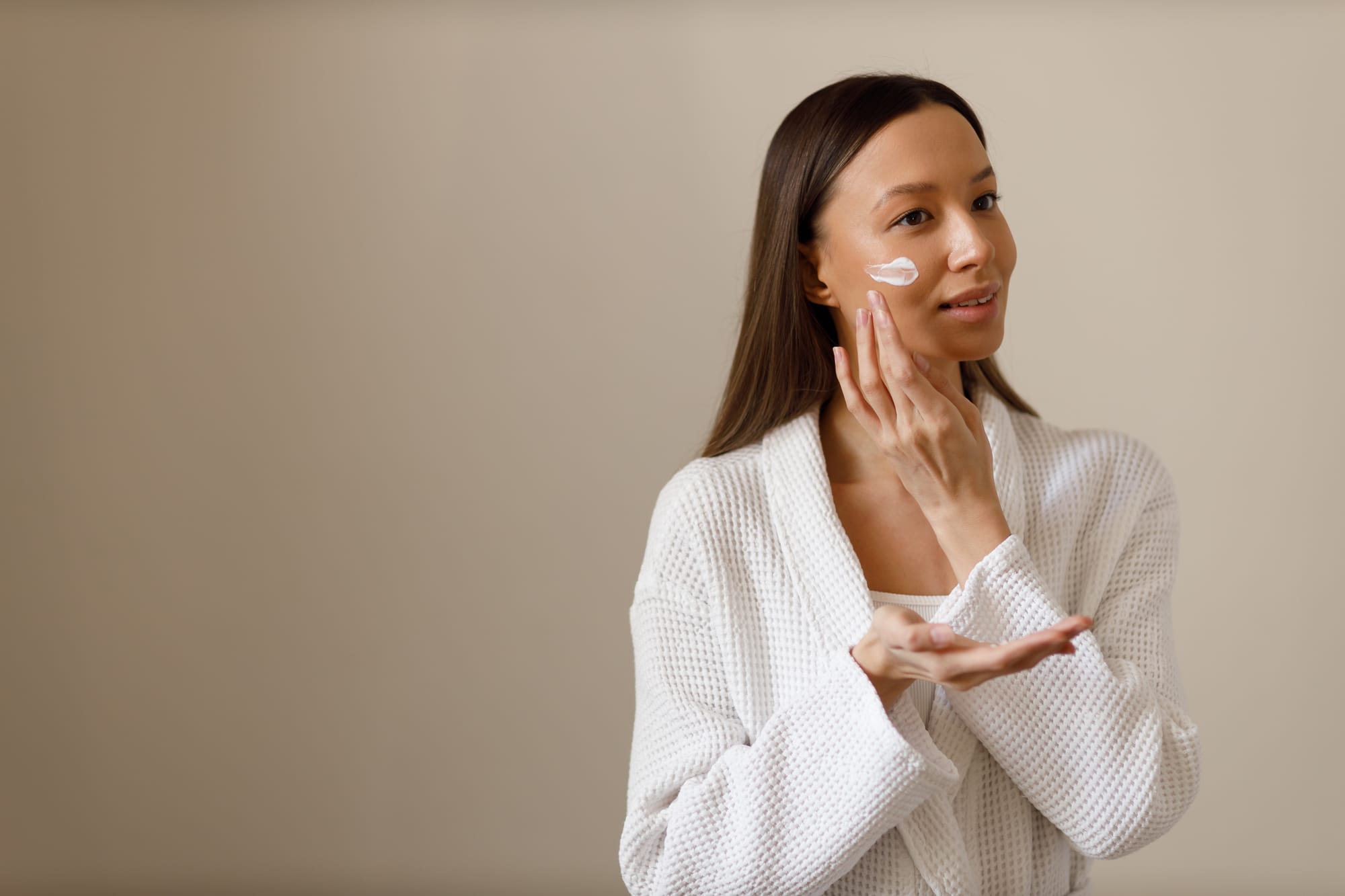
If you suspect your barrier is struggling, the first step is to simplify. Put down the retinols, the AHAs, and the vitamin C serums for at least two weeks. You need to give your skin a chance to recalibrate.
Focus on "bio-identical" ingredients. We are talking about ceramides, fatty acids, and cholesterol. These are the lipids that naturally make up your skin barrier. When you apply them topically in a clean formulation, you are providing the raw materials your skin needs to repair itself. Look for products that list these ingredients high on the label.
The Role of "Slugging" and Occlusives
You might have seen the "slugging" trend on social media. While it sounds a bit messy, the principle is solid. By applying a thick, clean occlusive layer as the final step of your night routine, you are creating a seal that prevents "Transepidermal Water Loss" (TEWL).
This is particularly effective in drier US climates or during the winter months. By trapping moisture in, you allow the skin cells underneath to repair at an accelerated rate. To see a more technical breakdown of how TEWL affects skin health and the science behind moisture retention, you can explore this guide on epidermal water loss and barrier function. It is a great resource for understanding why "sealing" is just as important as "hydrating."
Consistency Over Intensity
The glow we are all chasing doesn't come from a one-time chemical peel. It comes from a daily commitment to skin health. When you stop attacking your face and start supporting it, the results are transformative. Your skin becomes more resilient, your makeup sits better, and that "lit from within" look becomes your natural baseline.
This weekend, I want you to look at your evening routine. If you are using more than two active treatments at once, try cutting back. Focus on the basics: a gentle cleanser, a ceramide-rich moisturizer, and a quiet night of rest. Your skin is a living organ, not a project to be finished.