
Beyond the Surface: Why Your Skin Feels 'Fragile' After 40
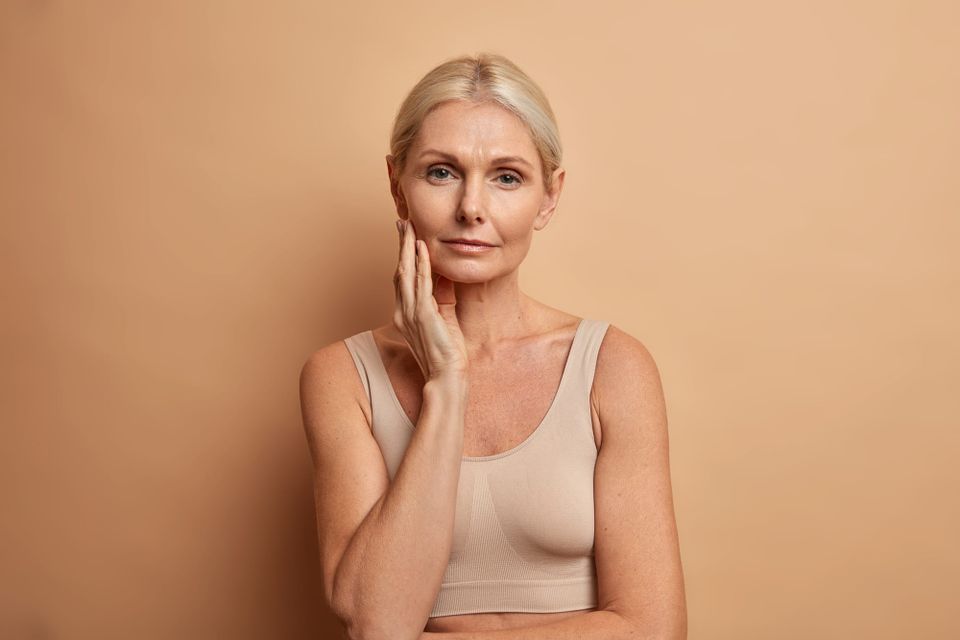
There is a specific sensation that many women describe as they age: their skin starts to feel "thin." It is that delicate, crepey texture that seems to lose its "bounce" and resilience. While we often focus on surface wrinkles, the real issue is the loss of skin density deep within the dermis. Your skin is essentially losing its internal "cushion."
In the US health and wellness space, we are shifting the conversation from "anti-aging" to "deep restoration." We have to realize that skin health is a reflection of your internal structural integrity. If your body isn't producing the foundational proteins required to keep that cushion thick, no amount of expensive cream will restore that youthful "plumpness."

Crepey Skin After 50?
Support smoother, firmer-looking skin from within with this daily skin-aging formula.
Restoring the Dermal Cushion
To move from "fragile" to "firm," you have to address the skin’s architecture. This involves supporting the deep layers where collagen and elastin live. When you restore the skin from the inside out, you aren't just hiding a wrinkle; you are actually thickening the "fabric" of your skin. This leads to a face that looks more "lifted" and resilient to the daily stressors of sun, wind, and pollution.
Actionable Ritual: The Density Audit
- Support the Scaffolding: Focus on "Bio-Active" peptides and nutrients that signal to your body to start the restoration process at a deep level.
- Hydration Density: Drink water with trace minerals. Your skin’s internal cushion is largely made of water, but it needs minerals to stay "trapped" in the tissue where it can do the most good.
- Gently Stimulate: Use a soft-bristle face brush or a gentle massage technique once a day to encourage blood flow to the deep layers of the skin. Blood carries the nutrients your skin needs to rebuild itself.