
Bioactive Ingredients That Quietly Outperform Luxury Serums
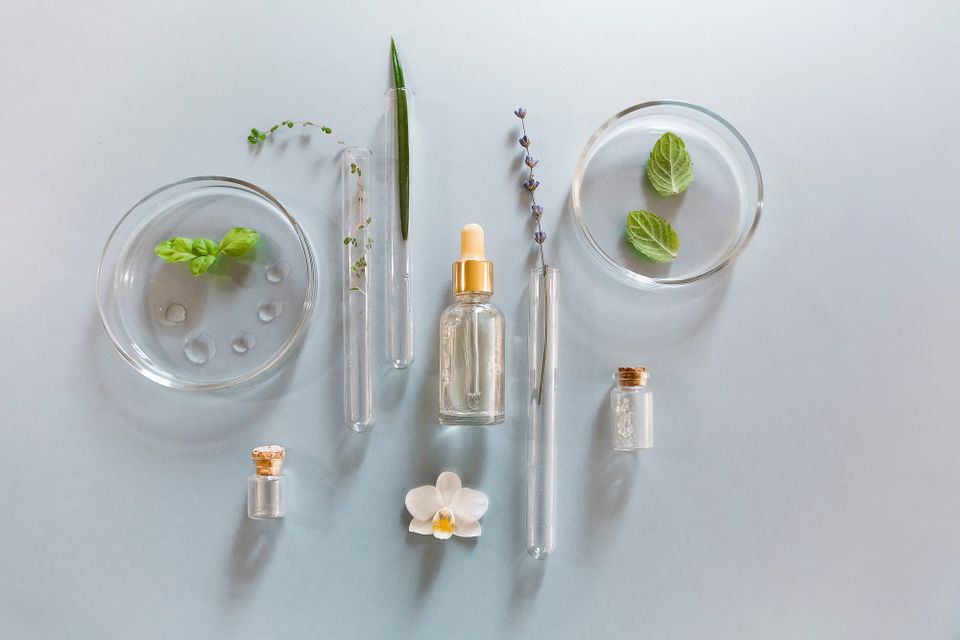
The Expensive Bottle Is Not the Point
You have been sold a story - that a triple-digit price tag is the closest proxy to results.
Here's the truth: the ingredient list on the back of that luxury serum often tells a very different story than the marketing on the front.
A handful of bioactive compounds - rigorously studied, clinically validated, and quietly available - are outperforming prestige formulas in head-to-head research, and most high-achieving women have no idea they exist at this level.
This is not about going cheap.
This is about going smart.
The Bioactives Worth Your Attention Right Now
These are not trendy fillers - they are compounds with measurable mechanisms of action on skin biology.
- Niacinamide (Vitamin B3): Peer-reviewed studies confirm it reduces hyperpigmentation, tightens pores, and reinforces the skin barrier - often outperforming prescription-adjacent brighteners without the irritation tax.
- Bakuchiol: A plant-derived retinol alternative backed by a landmark 2018 study in the British Journal of Dermatology showing comparable wrinkle reduction and firmness improvement, with zero photosensitivity.
- Polyglutamic Acid (PGA): A next-generation humectant that holds up to 5,000 times its weight in water - making hyaluronic acid look like a rough draft.
- Azelaic Acid: A dual-action powerhouse that targets both post-inflammatory hyperpigmentation and rosacea-related redness, with an FDA-recognized safety profile that most luxury actives simply cannot match.
- Copper Peptides (GHK-Cu): One of the most studied peptides in dermatology, shown to stimulate collagen synthesis and accelerate skin repair at a cellular level - the kind of regeneration that retinol takes months to approximate.
Why the Luxury Market Buries This Information
Prestige brands spend more on fragrance, packaging, and influencer budgets than on active ingredient concentration - and that math directly affects your skin.
Here's the pattern: a serum priced at $180 may contain niacinamide at 2%, while a clinical-grade formula at $28 delivers it at 10% - the concentration where the published research actually kicks in.
Concentration is the variable that luxury marketing never wants you to ask about.
The moment you start reading ingredient lists with the same precision you apply to a quarterly report, the entire prestige skincare market shifts in your favor.
How to Build a Bioactive Routine That Actually Performs
Start with a single validated bioactive and give it 8 to 12 weeks - the minimum window for cellular turnover to show measurable results.
Layer strategically: niacinamide in the morning for barrier support and brightening, bakuchiol at night for retinol-equivalent renewal without the sensitivity.
Add polyglutamic acid as your hydration anchor before moisturizer, and introduce copper peptides as a targeted treatment two to three nights per week.
The discipline here is restraint - more actives do not mean more results, they mean more potential for conflict and inflammation.
Think of it the way a sharp executive thinks about a team: fewer, stronger players outperform a bloated roster every single time.
The Competitive Edge Is Already in the Data
The women who are aging with the most authority are not the ones with the most expensive vanity shelves - they are the ones who read the science and act on it without ego.
Bioactive ingredients give you clinical leverage that no amount of luxury branding can manufacture.
The formula for skin that performs at the highest level is the same formula that works in every other high-stakes domain: know your inputs, validate your sources, and execute with consistency.
Your skin is a long game - and now you have the right moves.