
The $200 Skincare Scam: Why Your Luxury Cream Is Failing You
We have all been there. You are standing in a high-end department store, or perhaps scrolling through a curated "prestige" beauty site, and you see it: a night cream that costs more than your monthly car payment. The packaging is heavy glass, the scent is like a Parisian garden, and the marketing promises "cellular transformation." You buy it because you feel like your skin deserves the best. But three weeks later, you are still dealing with the same dullness and fine lines.
The hard truth is that in the US beauty market, price and performance are rarely in a committed relationship. Often, when you pay $200 for a moisturizer, you aren't paying for the ingredients. You are paying for the celebrity spokesperson, the prime shelf space in Manhattan, and the gold-foiled box that goes straight into your recycling bin.
The Luxury Tax vs. Ingredient Integrity
When you flip that expensive jar over and look at the INCI list, you will often find that the first five ingredients are water, glycerin, and a handful of cheap silicones or synthetic thickeners. The "magic" botanical extract they advertised is usually listed after the preservatives, meaning it exists in a concentration of less than one percent. It is what we in the industry call "fairy dusting." It is there for the label, not for your face.
High-performance skincare doesn't have to be expensive; it just has to be intelligent. As we navigate our late thirties and beyond, our skin needs bio-available actives that actually penetrate the lipid barrier. It needs stabilized antioxidants, pure ceramides, and clean fatty acids. These ingredients do not cost hundreds of dollars to formulate, but they do require a brand that prioritizes the formula over the "vibe."
How to Audit Your Shelf (The 5-Ingredient Rule)
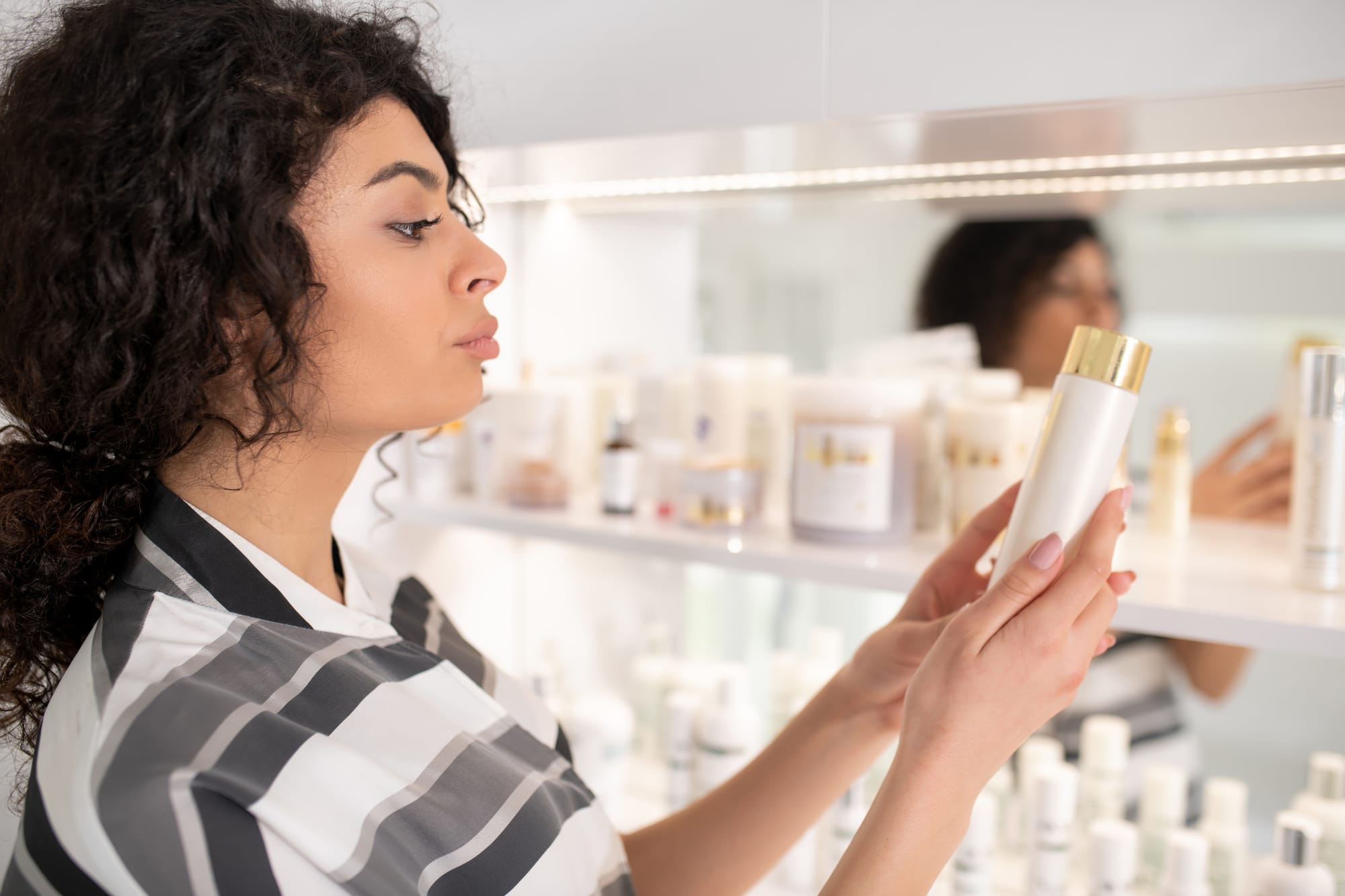
If you want to stop wasting money and start seeing results, you need to become a label detective. Here is an actionable way to vet your next purchase:
- Ignore the Front Label: The front is for marketing. The back is for the truth.
- The First Five Matter: The first five ingredients make up the vast majority of the product. If you see "fragrance" or "alcohol denat" in the top five, put it back.
- Search for the "Actives": Look for Niacinamide, Squalane, or Peptides in the middle of the list. If they are at the very bottom, they aren't doing anything.
- Avoid "Fragrance" (Parfum): In clean beauty, "fragrance" is a catch-all term for thousands of undisclosed chemicals that can cause chronic inflammation, the primary driver of premature aging.
You can actually check the safety and efficacy of your current products by using a transparency tool like the EWG Skin Deep database. It is an essential resource for moving past the marketing hype and understanding what you are actually putting on your skin.
Making the Switch
The goal isn't to buy the cheapest thing on the shelf, either. It is about finding the "sweet spot" where clean ingredients meet clinical results. Often, you can find a superior formulation from a smaller, transparent "clean" brand for $40 that will outperform a $250 luxury cream every single time.
Stop paying for the logo. Start paying for the results. Your skin, and your bank account, will thank you.