
The Pillowcase Myth: The Real Reason You Wake Up with Dull Skin

The morning light is still grey and soft, but the reflection staring back from the phone screen is harsh. You see a complexion that looks… depleted. You did everything right. The double cleanse, the hydrating toner, the peptide serum, the ridiculously expensive moisturizer. You even sleep on a silk pillowcase, the supposed holy grail for preventing sleep creases and preserving your skin’s moisture. Yet, the evidence is undeniable: a lackluster, tired canvas that betrays the eight hours you just logged. You’ve been told the problem is friction, fabric, or absorption, but the truth is far deeper. The issue isn’t what your skin is touching; it’s what it’s failing to do in the dark.
Before: The 7 AM Skin Audit
This is the frustrating reality for so many high-performing women. You meticulously curate a powerful evening skincare routine, layering potent actives with the precision of a chemist, only to wake up feeling like the investment vanished into thin air. The skin feels tight, looks dehydrated, and has a subtle puffiness around the eyes that no amount of chilled jade roller can seem to fix. The glow you worked so hard for the night before has been replaced by a flat, matte finish that seems to absorb light rather than reflect it.
This cycle creates a quiet sense of defeat. It feels like you’re running on a hamster wheel of product consumption, constantly searching for the next 'miracle' cream or serum that will finally deliver on its promise. You start to question your routine, your products, and even your own biology. The prevailing myth points a finger at your pillowcase-accusing cotton of stealing moisture and silk of not being 'silky enough'. But this surface-level explanation completely misses the powerful metabolic processes that are supposed to be happening while you sleep.
After: Waking Up to Radiance
Imagine a different morning. You wake feeling not just rested, but truly restored. Before you even get to the mirror, you can feel the difference. Your skin feels supple, plump, and deeply hydrated from within. It has a cool, calm quality to it, with no signs of the inflammation or puffiness that used to greet you. It’s the kind of effortless vitality that looks like you’ve just returned from a week-long wellness retreat, not like you just battled through another demanding work week.
When you do see your reflection, it confirms what you feel. Your complexion is luminous, even-toned, and visibly smooth. The fine lines around your eyes and mouth appear softer, filled in by your skin’s own natural regeneration. This isn’t a temporary glow from a product sitting on the surface; this is the visible result of your body’s internal repair systems firing on all cylinders. It’s the profound satisfaction of knowing your strategic evening rituals are creating real, biological change, allowing you to wake up looking as powerful and capable as you feel.
The Bridge: How to Get There
The pillowcase isn't the villain; it's a scapegoat. The real reason for dull morning skin is a disruption in your body's nocturnal repair cycle, a complex process governed by hormones and cellular signaling. High-stress lifestyles directly interfere with this essential function. Here is how you build the bridge from a depleted complexion to a radiant one by supporting your biology, not just layering your skin.
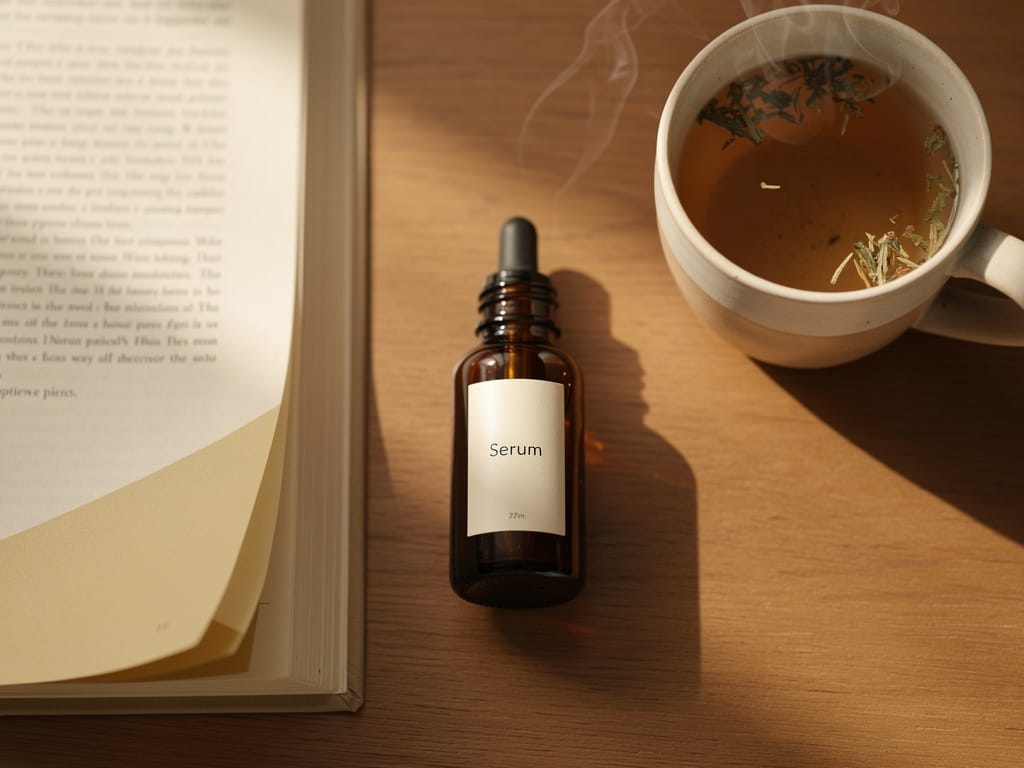
- Down-Regulate Evening Cortisol: The stress hormone cortisol is naturally lowest at night, which signals your skin cells to enter 'repair mode'. However, late-night work emails, intense workouts, or scrolling through social media can keep cortisol elevated, effectively blocking this signal. The bridge is a non-negotiable, screen-free wind-down period of at least 20 minutes. Read a physical book, do some gentle stretching, or listen to calming music to intentionally lower cortisol and permit cellular repair to begin.
- Support Glymphatic Flow: While you sleep, the brain's glymphatic system actively clears out metabolic waste. This detoxification process has a direct impact on skin health and its ability to regenerate. Chronic sleep interruption sabotages this process. Prioritize a consistent sleep schedule and a cool, dark, and quiet environment to encourage the deep, uninterrupted sleep needed for a full system flush.
- Optimize Ingredient Timing: It's not just what you apply, but when. Applying your entire routine and immediately putting your face on a pillow minimizes absorption and maximizes transfer. Give your products a head start. Complete your full skincare routine at least 30-60 minutes before you get into bed. This allows the active ingredients to penetrate the epidermis and get to work.
- Feed Your Cells with Bio-Actives: Your skin needs the right building blocks for overnight repair. While hydration is key, you also need ingredients that support the regeneration process. Introduce a serum with antioxidants like Resveratrol, which helps defend cells against accumulated daily damage, or Bakuchiol, a plant-based retinol alternative that encourages cell turnover without irritation. These ingredients work with your body's natural rhythms to rebuild and restore.
Shifting your focus from the texture of your pillowcase to the quality of your pre-sleep environment is the ultimate strategy. It’s about creating the internal conditions for profound restoration. By managing your body's hormonal signals and supporting its natural detoxification pathways, you move beyond surface-level fixes and architect a state of genuine, lasting radiance that begins from within.