
The Retinol Alternative: How Plant-Based Solutions Stop 'Inflammaging'
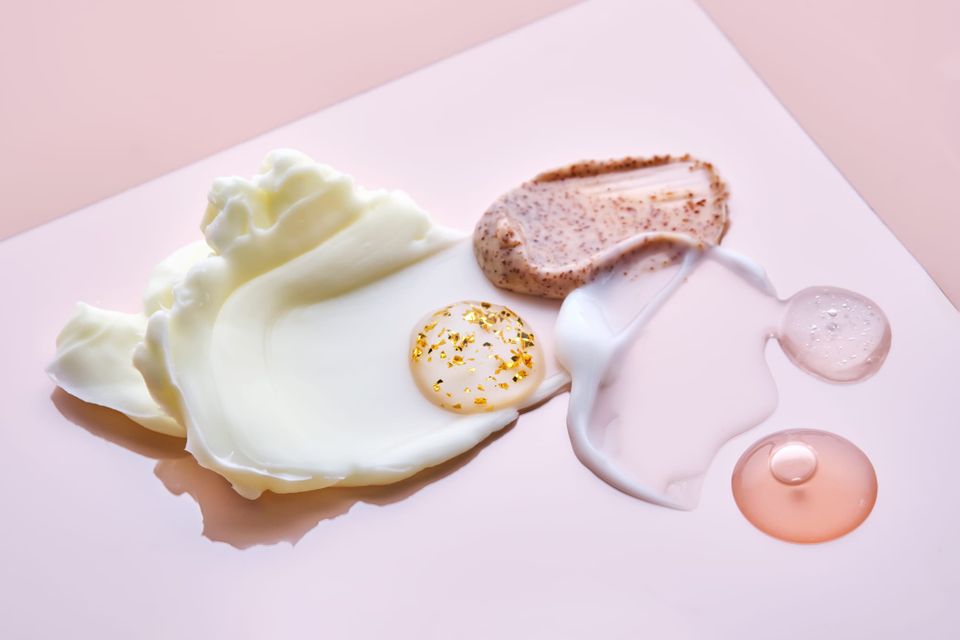
The bathroom counter is a graveyard of good intentions. Amber bottles, sleek white tubes, each one promising a reversal of time. You remember the ritual: the careful application of that high-potency retinol serum, the tingle that felt like it was working, followed by the slow burn of irritation. The next morning, your reflection showed not a renewed glow, but a roadmap of redness, peeling, and sensitivity. You were told this was the price of admission for flawless skin, a necessary 'retinization' period your cells had to endure.
This aggressive, all-or-nothing approach feels out of sync with every other part of your life. You lead with strategic poise, not brute force. You regulate your nervous system with intention, not shock. Why should your skincare be a battleground? The pursuit of healthy aging has become a cycle of attack and repair, leaving your skin's delicate barrier compromised and inflamed. It’s a frustrating paradox for the high-achieving woman who optimizes everything for sustainable performance.
What if the solution isn't about fighting your skin?
Imagine a different approach. Instead of waging war on your cells with harsh synthetics, what if you could partner with them? The conversation around skin longevity is shifting from aggressive resurfacing to strategic support. The goal is no longer to strip away layers but to fortify the skin's own defense systems. This is where the concept of 'inflammaging' enters the picture-a critical understanding for anyone seeking lasting skin health without the collateral damage.
Inflammaging is the low-grade, chronic, and often invisible inflammation that quietly accelerates the aging process. It’s triggered by a host of modern stressors: environmental pollutants, UV exposure, and yes, even overly aggressive skincare routines. This persistent inflammation degrades collagen, impairs cellular repair, and weakens the skin barrier. The redness and peeling from potent retinoids are not just side effects; they are visible signals of this inflammatory cascade, a process that can, ironically, contribute to the very aging it's meant to prevent.

How does a plant-based approach calm this inflammation?
The power of plant-based retinol alternatives lies in their dual action. They deliver remarkable results in cellular turnover and collagen synthesis, but they do so with a fundamentally different mechanism. They work in harmony with your skin's biology, not against it. Take Bakuchiol, a botanical extract derived from the Psoralea corylifolia plant. It has been clinically shown to produce results comparable to retinol in reducing the appearance of fine lines and improving skin elasticity, but without the associated irritation.
Instead of causing inflammation, these intelligent botanicals often contain powerful antioxidant and anti-inflammatory compounds. They calm the skin's stress response while simultaneously signaling it to behave more youthfully. This means you are not just addressing the visible signs of aging; you are actively dismantling the underlying process of inflammaging. It’s a move from a short-term, high-cost strategy to a long-term, sustainable investment in your skin’s resilience and vitality.
Can these natural compounds truly rival a synthetic powerhouse?
The skepticism is understandable. For decades, retinol has been presented as the undisputed gold standard. Yet, a growing body of scientific research confirms that specific botanical extracts can offer a compelling, and gentler, path to the same destination. The key is understanding that 'natural' does not mean less potent; it means a different kind of potency-one that is bio-compatible and less likely to trigger the body's inflammatory defenses.
Beyond Bakuchiol, ingredients like Rosehip Oil (a natural source of trans-retinoic acid) and Moth Bean Extract offer similar regenerative benefits. They support the skin’s structure and function, helping to smooth texture and even out tone without forcing the skin into a state of perpetual recovery. For the woman whose calendar is already packed, a skincare routine that supports her skin's health without demanding a painful adjustment period isn't just a preference; it's a strategic necessity.
How do you integrate a retinol alternative into your routine?
Making the switch is refreshingly simple. Because plant-based alternatives are inherently gentle, they don't require the complex 'sandwiching' techniques or cautious scheduling associated with traditional retinol. You can typically apply your Bakuchiol or other botanical serum nightly after cleansing and toning, right before your moisturizer. There is no need to brace for a week of redness or flaking skin; the transition should be seamless.
When selecting a product, look for formulas that specify the concentration of the active ingredient and are housed in dark, airtight packaging to protect their stability. More importantly, listen to your skin. The goal is a complexion that looks and feels calm, resilient, and luminous. It's about achieving your skin goals with the same sophisticated strategy you apply to every other aspect of your life-with intelligence, not irritation.