
The Retinol Myth High-Achieving Women Keep Believing
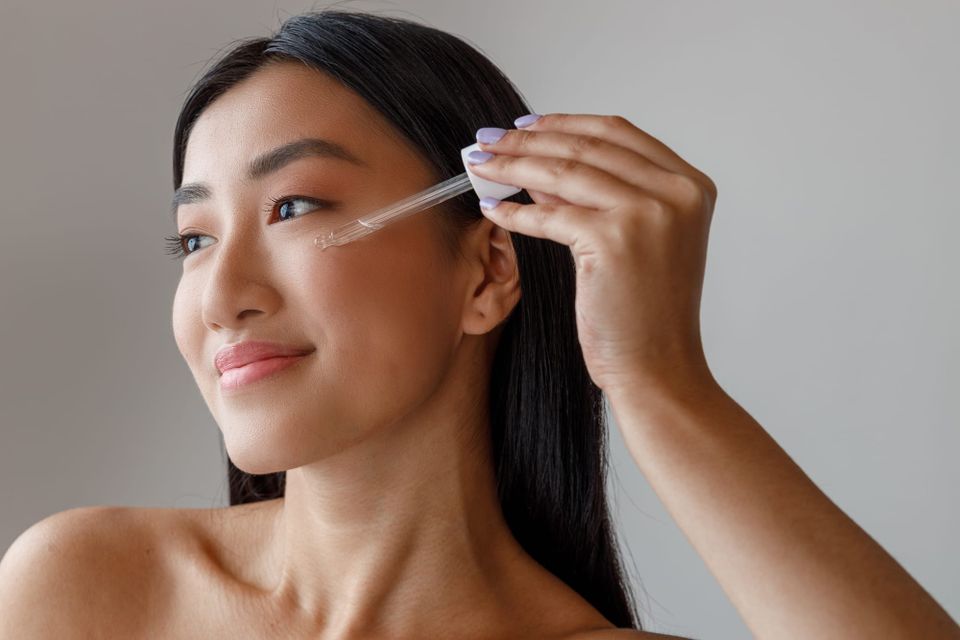
Picture this: it's 11 PM. You've closed three deals, answered forty-seven emails, and somehow remembered to eat lunch. You're standing at the bathroom mirror, and you reach for the retinol serum you bought because every beauty editor, every dermatologist's Instagram, every well-meaning colleague said it was the thing.
You apply it. Your skin burns a little. You tell yourself that means it's working.
Here's the truth: that burn isn't a badge of honor. And the story you've been sold about retinol? It's missing some critical chapters.
The Myth That Took Hold
The myth goes like this: retinol is the gold standard of anti-aging, full stop, no exceptions, use it every night, start in your twenties, more is more.
It's repeated so often it feels like biology. But it's actually marketing dressed up as dermatology.
Retinol - a derivative of Vitamin A - genuinely does stimulate collagen production and accelerate cell turnover. That part is real. The science is solid. But the application of that science? That's where the myth lives.
What the Myth Gets Wrong
- More retinol, more results. Not true. Overuse triggers chronic inflammation, which ironically accelerates skin aging at the cellular level.
- Irritation means it's working. Redness and peeling are signs of a compromised skin barrier - not transformation.
- Everyone needs it. Women with sensitive skin, rosacea, or a disrupted microbiome can do serious, lasting damage by forcing retinol into their routine.
- Start as early as possible. Aggressive retinol use in your mid-twenties, before significant collagen loss even begins, can sensitize skin unnecessarily.
Let's be clear: this isn't an anti-retinol manifesto. It's a call for precision over panic.
Why High-Achieving Women Are Especially Vulnerable to This
You're wired for optimization. You find the best tool, you apply it consistently, you push through discomfort because discomfort has always meant growth in your world.
That mindset built your career. But your skin isn't a quarterly target.
Chronic stress - the kind that comes with high performance - already elevates cortisol, which breaks down collagen and thins the skin barrier. When you layer aggressive retinol on top of a stress-taxed complexion, you're not compounding benefits. You're compounding damage.
The real power move isn't using the strongest formula. It's using the right formula, at the right concentration, with the right supporting routine around it.
Imogen, a corporate attorney I spoke with, switched from a 1% retinol used nightly to a 0.3% formula used three times a week, paired with a ceramide-rich barrier repair moisturizer. Within eight weeks, her skin was less reactive, more luminous, and she'd stopped the cycle of peeling and over-moisturizing that had consumed her Sunday nights.
Same ingredient. Completely different outcome. Because she stopped treating her skincare like a performance review.
What Actually Works - The Smarter Retinol Protocol
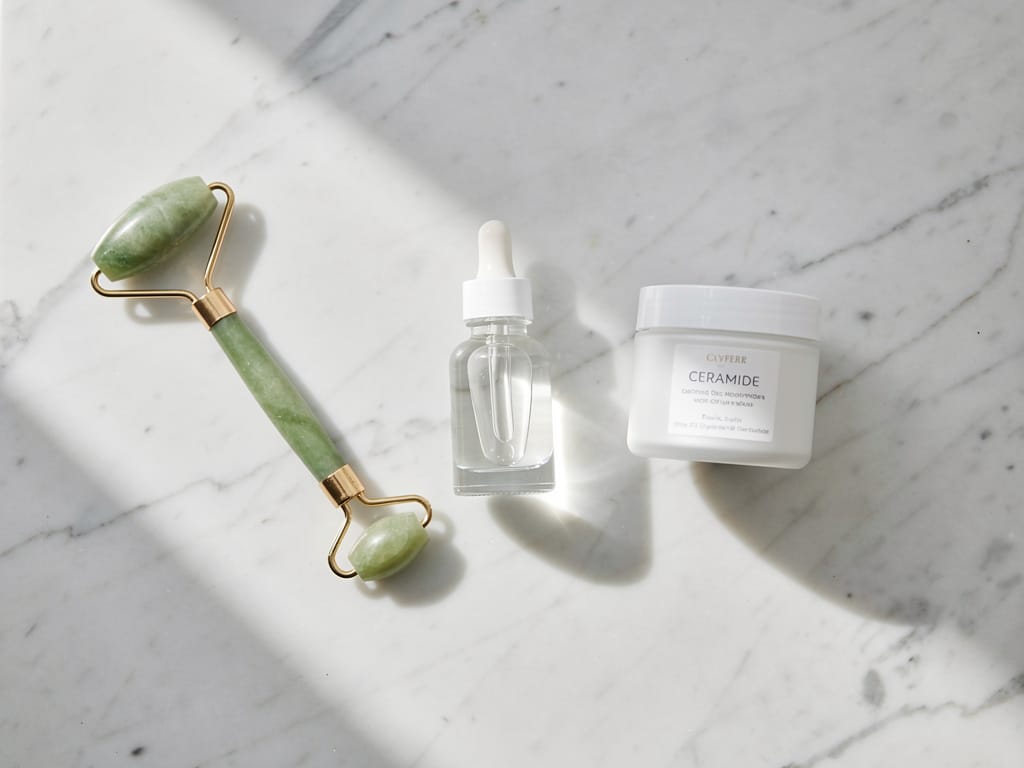
Here's what the evidence actually supports:
- Start low, go slow. Begin with 0.025% to 0.1% retinol, two nights per week. Give your skin a full month to adjust before increasing frequency.
- Sandwich your retinol. Apply moisturizer first, then retinol, then moisturizer again. This buffers irritation without blocking efficacy.
- Pair it with barrier support. Ceramides, niacinamide, and squalane aren't optional extras - they're what make retinol sustainable long-term.
- Sunscreen is non-negotiable. Retinol increases photosensitivity. Skipping SPF undoes every benefit you're working toward.
- Consider retinol alternatives. Bakuchiol, a plant-derived compound, has peer-reviewed evidence supporting comparable collagen stimulation with significantly less irritation - particularly relevant if your stress levels are already high.
The Bottom Line You Deserve
You don't need to suffer for good skin. The idea that effective skincare has to feel aggressive is the same myth that says effective leadership has to feel exhausting.
Both are worth questioning.
Retinol, used intelligently, is genuinely one of the most well-researched actives available to you. But intelligent use means understanding your skin's current state - its stress load, its barrier integrity, its actual needs - not just following a blanket prescription.
You've spent years learning to lead with strategy, not just effort. Bring that same intelligence to your skin. The results will speak for themselves - quietly, consistently, without the burn.