
The Science of the Sleep Sanctuary: Reclaiming Your Vitality in a 24/7 World

We have been lied to about sleep for decades. We were told that "six hours is enough if you're driven" or that we can "sleep when we're dead." But as we enter our mid thirties and early forties, the biological bill for those all nighters starts to come due. We see it in the mirror, we feel it in our cognitive "fog," and we notice it in our fluctuating moods. Sleep is not a luxury; it is the most sophisticated metabolic process we have for maintaining our youth and our edge.
In the US, we are currently facing a sleep crisis that is directly tied to our obsession with productivity and our constant exposure to blue light. If you want to perform at a high level, you have to treat your sleep environment with the same rigor that you treat your business strategy. This means moving beyond "just getting more sleep" and focusing on the quality of your circadian rhythm.
The Architecture of the Bedroom
Your bedroom should be a sanctuary dedicated to two things: sleep and connection. Anything that detracts from that should be removed. This includes the television, the treadmill, and most importantly, the smartphone. The mere presence of a phone in the bedroom, even if it is turned off, has been shown to increase cognitive load and decrease the quality of deep sleep.
Temperature is another critical factor. Our bodies need a drop in core temperature to initiate the sleep cycle. The ideal temperature for a sleep sanctuary is between 60 and 67 degrees Fahrenheit. If your room is too warm, your body will struggle to enter the deep, restorative stages of sleep where cell repair and memory consolidation happen.
The Morning Light Protocol
A great night of sleep actually starts the moment you wake up. To set your internal clock, you need to expose your eyes to natural sunlight within thirty minutes of waking. This triggers a release of cortisol that wakes you up and, more importantly, sets a timer for the release of melatonin about fourteen hours later.
If you live in a climate where natural light is scarce during the winter, consider investing in a high quality light therapy box. This simple habit can drastically improve your mood and your sleep quality by grounding your biological rhythms in the natural day and night cycle.

The Evening Wind Down
Most professional women make the mistake of working right up until the moment they close their eyes. This keeps the brain in a high beta state, making it impossible to drift into a peaceful slumber. Create a "digital sunset" at least ninety minutes before bed. Swap the laptop for a physical book, a warm bath with magnesium salts, or a simple meditation practice.
To understand how these environmental factors specifically impact your brain's ability to flush out toxins during the night, I suggest reading this summary of glymphatic system research. It highlights why deep sleep is non negotiable for long term brain health and cognitive performance.
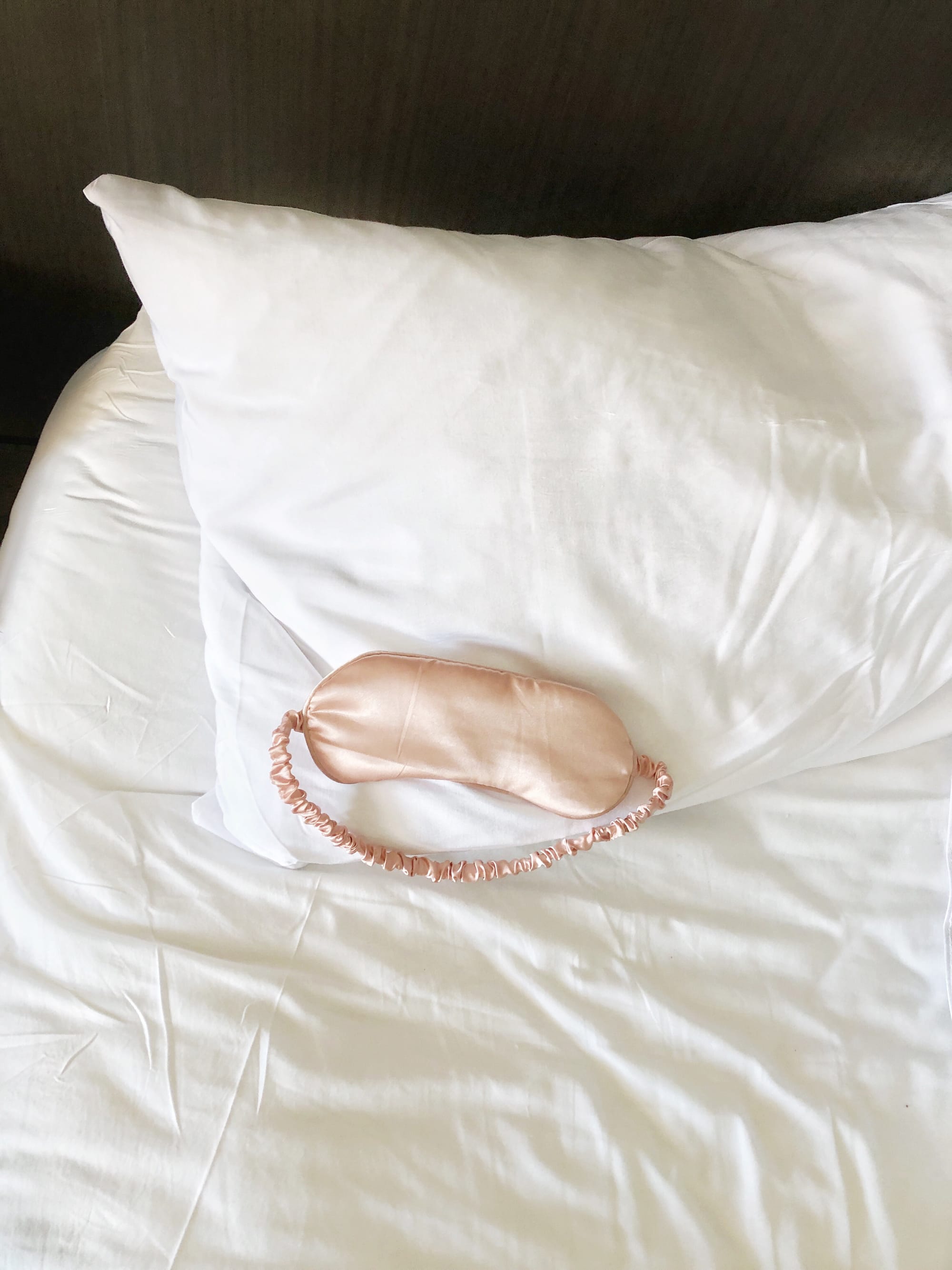
Actionable Ritual: Tonight, move your phone charger to another room. Buy a classic analog alarm clock. Notice the immediate shift in your anxiety levels when your phone is no longer the last thing you see at night and the first thing you see in the morning.