
Unlocking Metabolic Flexibility

The clock reads 2:47 PM. The sharp focus you commanded in your morning strategy session has dissolved into a heavy fog. Your fingers hover over the keyboard, but the words won't come. An almost magnetic pull draws you toward the kitchen, not from true hunger, but from a desperate need for a jolt-anything to pierce the mental haze and carry you through the last few hours of the workday. This energy rollercoaster, with its dizzying peaks and crushing valleys, feels like an unavoidable cost of ambition. But what if it isn't? What if your body could have a more stable, powerful, and self-sufficient operating system?
Before: The Metabolic Gridlock
This is the reality of being metabolically inflexible. Your body has become a one-trick pony, exceptionally good at burning sugar (glucose) for quick energy but clumsy and inefficient at tapping into its vast reserves of stored fat. You're living meal-to-meal, your mood and cognitive function held hostage by your blood sugar levels. A missed lunch doesn't just mean a rumbling stomach; it means irritability, brain fog, and a complete inability to concentrate on complex tasks.
This state of constant dependency creates a vicious cycle. You reach for a sugary snack or a third coffee to combat the afternoon slump, which provides a temporary spike in energy followed by an even deeper crash. Your workouts might feel punishingly difficult unless you've perfectly timed your pre-exercise carb intake. This isn't a failure of willpower; it's a physiological state where your body has forgotten how to access its own alternative fuel source, leaving you feeling perpetually drained and one snack away from a system failure.

After: The Freedom of Fuel Fluidity
Now, picture a different reality. Imagine waking up with clear, steady energy that lasts. The 3 PM slump is a distant memory, replaced by consistent focus and mental sharpness throughout the day. You move through your schedule with a quiet confidence, knowing your body can perform whether you've just eaten or are hours past your last meal. This is the power of metabolic flexibility-the ability for your body to seamlessly switch between burning carbohydrates and burning fat for energy, like a hybrid car efficiently changing between gas and electric power.
In this state, you are the master of your energy, not its servant. Food cravings no longer dictate your choices because your blood sugar is stable. You feel a profound sense of physical and mental resilience. Your workouts are powered by your body's own fat stores, leading to improved endurance and body composition. This isn't about restriction; it's about liberation. It's about building a biological foundation so robust that it supports your highest ambitions without burnout, giving you the sustained vitality to lead, create, and thrive.
The Bridge: How to Get There
Reclaiming your metabolic power isn't about a radical overhaul but a series of strategic, consistent shifts. You are the architect of your own well-being, and these are the blueprints to build a more resilient internal system.
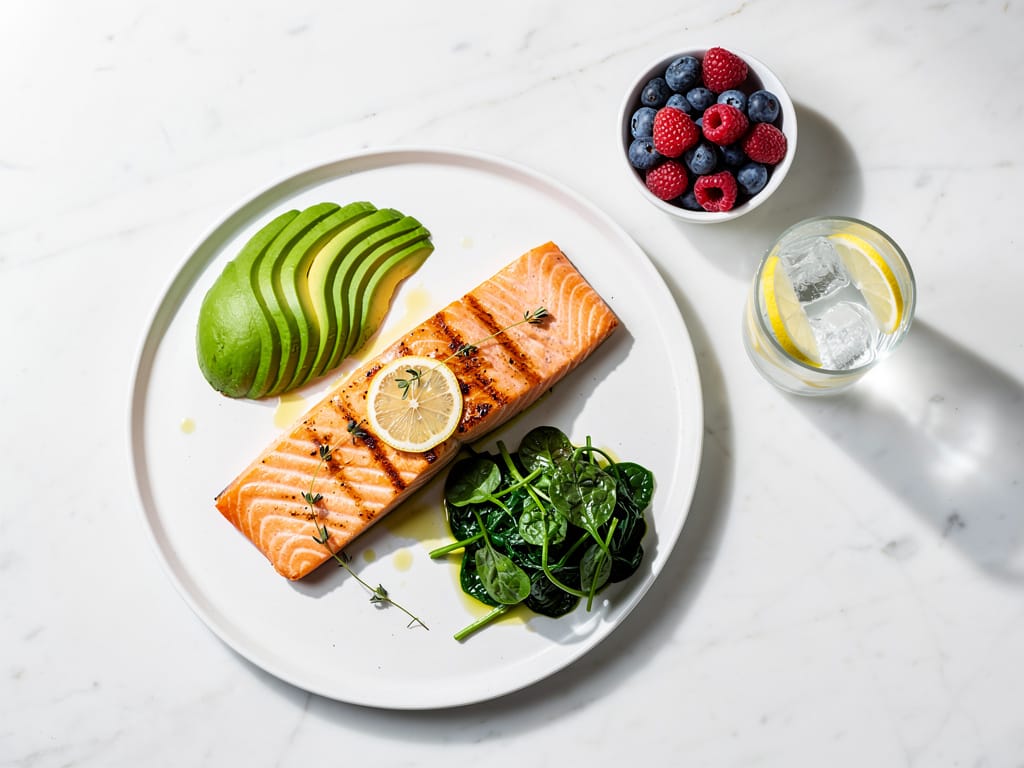
- Build Your Plate Around Protein and Fat. Make high-quality protein and healthy fats the stars of every meal. This combination is key to satiety and blood sugar stabilization. Think wild-caught salmon with avocado, or a grass-fed steak with olive oil-dressed greens. This slows down the absorption of any carbohydrates, preventing the sharp spikes and crashes that cause energy dips.
- Introduce Time-Restricted Eating. You don't need to jump into multi-day fasts. Start by simply ensuring there's a 12-14 hour window between your last meal of the day and your first meal of the next. This gentle fast gives your digestive system a rest and encourages your body to start tapping into fat stores for fuel.
- Incorporate Strength Training. Building and maintaining lean muscle is one of the most powerful things you can do for your metabolism. Muscle acts like a sponge for blood glucose, helping to keep your levels stable. Aim for 2-3 sessions of resistance training per week.
- Walk After Meals. A simple 10-15 minute walk after eating can have a significant impact on how your body processes glucose from that meal. It’s a low-effort, high-reward habit that helps blunt potential blood sugar spikes.
- Prioritize Deep Sleep. Your body's hormonal regulation and insulin sensitivity are profoundly affected by sleep quality. Even one night of poor sleep can make you more metabolically inflexible the next day. Protect your 7-9 hours as the critical recovery period it is.
Making these adjustments is how you move from being dependent on external fuel to becoming powered from within. It’s a fundamental upgrade to your operating system that provides the sustainable energy required to match your drive and ambition, day after day.