Skin-Deep Detox: Why Your Liver Health Is Written All Over Your Face
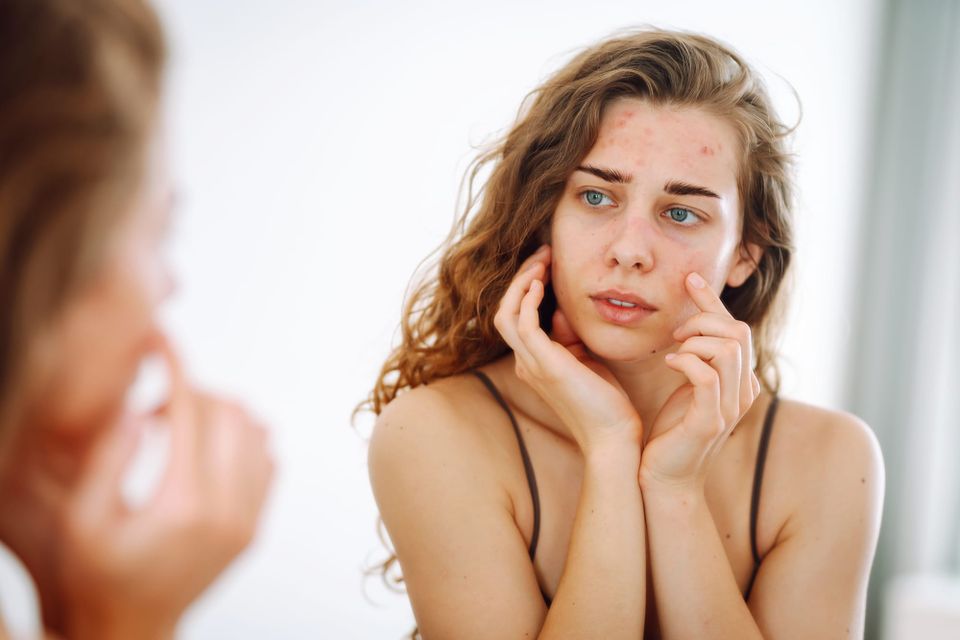
You’re standing in front of the bathroom mirror, the cool light hitting your face just so. Another breakout is forming along your jawline-deep, tender, and stubbornly defiant. You trace the steps of your routine: the double cleanse, the pH-balanced toner, the ridiculously expensive bioactive serum that promised cellular renewal. You’ve done everything 'right'. You eat clean, you hydrate, you sleep on a silk pillowcase. Yet, the reflection tells a different story, one of inflammation and frustration.
This isn’t a failure of your skincare. It’s a message from a deeper, internal system. The clarity of your skin, its tone and texture, is less about the products you layer on top and more about the efficiency of an organ working silently inside you: your liver.
The Unseen Connection: Your Liver's Role in Skin Radiance
Think of your liver as the body’s master filtration plant and metabolic command center. This powerhouse organ performs hundreds of functions, many of which have a direct and visible impact on your complexion. When it’s running smoothly, your skin reaps the rewards. When it’s overburdened, your skin is often the first to send out a distress signal.

Its primary roles in skin health are non-negotiable:
- Toxin Neutralization: Your liver processes everything from environmental pollutants and metabolic byproducts to the glass of wine you had with dinner. It converts harmful substances into water-soluble compounds that your body can excrete. If this process slows, toxins can build up and seek other exit routes-like your skin.
- Hormone Regulation: This is a big one. The liver is responsible for metabolizing and clearing excess hormones, particularly estrogen. When it can’t keep up, that hormonal surplus can trigger androgen receptors in the skin, leading directly to cystic acne along the chin and jaw.
- Nutrient Storage & Activation: Healthy skin depends on key fat-soluble vitamins like A, D, and E. Your liver not only stores these nutrients but also converts them into their active forms that your body can use for cellular repair and antioxidant defense.
When the System is Overloaded: Reading the Signs on Your Face
An overburdened liver isn’t a dramatic failure; it’s a subtle backlog. This functional slowdown creates a cascade of effects that show up in the mirror. You’re not just imagining it-your skin is a diagnostic dashboard for your internal wellness.
Here are the common signals and what they mean:
- Persistent Acne (Especially Jawline): This is the classic sign of inefficient estrogen clearance. Your liver isn’t breaking down hormones effectively, leading to the deep, painful blemishes that are notoriously hard to treat topically.
- Dull or Sallow Complexion: A radiant glow comes from healthy blood flow and efficient waste removal. A sluggish liver can lead to a buildup of old red blood cells and a substance called bilirubin, giving the skin a yellowish, tired appearance.
- Hyperpigmentation & Dark Spots: The liver helps manage oxidative stress throughout the body. When it’s under strain, cellular damage from free radicals can accelerate, contributing to the formation of sun spots and melasma.
- Redness, Rashes & Irritation: Conditions like eczema or rosacea can be exacerbated when the liver can’t effectively filter inflammatory compounds from the blood. The immune system becomes overactive, and the skin bears the brunt of the reaction.
A Strategic Approach to Liver Support for Luminous Skin
Supporting your liver isn’t about extreme 'detox' cleanses; it’s about providing consistent, intelligent support so it can do its job better. This is an inside-out strategy for achieving the kind of resilient, clear skin that no serum can replicate on its own.
Dietary Audits: What to Add & What to Edit
- Incorporate Cruciferous Vegetables: Broccoli, cauliflower, Brussels sprouts, and kale contain compounds that actively support both phases of liver detoxification pathways.
- Prioritize Antioxidant-Rich Foods: Berries, dark leafy greens, and colorful vegetables help protect liver cells from oxidative stress. Artichokes and beets are particularly supportive.
- Focus on Clean Protein & Healthy Fats: These are essential for the production of glutathione, the body's master antioxidant, which is concentrated in the liver. Think wild-caught fish, pasture-raised eggs, and avocado.
- Reduce the Burden: Minimize your intake of processed sugar, industrial seed oils (canola, soy, corn), and excessive alcohol. These create inflammation and force the liver to work overtime.
Lifestyle Integration for Lasting Results
- Manage Your Cortisol: Chronic stress floods your body with the hormone cortisol, which the liver must process. A consistent mindfulness practice or simply scheduling downtime can lighten your liver's hormonal load.
- Sweat Intentionally: Exercise not only improves circulation to help deliver nutrients but also supports detoxification through sweat, taking some of the pressure off your internal systems.
- Prioritize Deep Sleep: The liver performs the majority of its regenerative and detoxifying work while you sleep. Aim for 7-9 hours of quality, uninterrupted rest.