
The Quiet Revolution: Why Magnesium Is the Unsung Hero of Women's Health

In the conversation around peak performance and wellness, certain nutrients command the spotlight. Yet, behind the scenes, a quiet mineral performs hundreds of essential functions that directly impact a woman's energy, mood, and hormonal equilibrium. This mineral is magnesium, and its widespread deficiency is a silent epidemic undermining the health of even the most conscientious high-achievers. Understanding its role is not just a matter of nutritional knowledge; it is a strategic imperative for sustained success and personal vitality.
We operate on a foundation of facts. The fact is, without sufficient magnesium, the systems that govern our stress response, energy production, and hormonal signaling cannot function optimally. It is the master mineral that keeps the entire operation running smoothly. Let's examine the evidence and explore why bringing this nutrient to the forefront of your wellness strategy is a non-negotiable for modern leadership.
What is magnesium's fundamental role in our biology?
Magnesium is not a minor player; it is a foundational component of our cellular machinery. It acts as a 'cofactor,' a helper molecule, in over 300 enzymatic reactions inside the body. These are not trivial processes. They include everything from converting the food you eat into usable cellular energy (ATP) to synthesizing DNA and RNA, the very blueprints of your existence. Without adequate magnesium, your body's ability to produce energy at a cellular level is fundamentally compromised, leading to fatigue that no amount of caffeine can truly fix.
Furthermore, this mineral is essential for proper muscle and nerve function. It acts as a natural calcium channel blocker, helping both muscles and nerves to relax after contracting. Think of it as the 'off' switch. When calcium flows into cells, muscles tense. Magnesium pushes it back out, allowing them to release. This simple mechanism is why a deficiency can manifest as muscle cramps, tension headaches, and a general feeling of being physically wound up and unable to fully relax.
How does it directly influence stress and sleep quality?
For the ambitious woman, managing the nervous system is paramount. Magnesium is a key regulator of the body's stress-response system. It maintains healthy levels of GABA, a neurotransmitter that promotes a sense of calm and well-being. When GABA is low, the brain can get stuck in an 'on' position, leading to racing thoughts and an inability to downshift. Magnesium supports GABA receptor sensitivity, effectively turning up the volume on your brain's natural calming signals.
Simultaneously, it helps regulate the stress hormone, cortisol. When you are under chronic pressure, your adrenal glands pump out cortisol, keeping you in a state of high alert. Magnesium can limit the release of cortisol, preventing the adrenal system from going into overdrive. This dual action-promoting calming neurotransmitters while moderating stress hormones-makes it a powerful tool for improving sleep onset and quality, allowing for genuine physical and mental recovery overnight.
Can magnesium deficiency affect hormonal balance?
The connection between magnesium and hormones is direct and significant. This mineral plays a key part in regulating insulin, the hormone responsible for managing blood sugar. Stable blood sugar is the bedrock of hormonal health. When insulin sensitivity is poor, it can create a cascade of issues, including increased androgen production and disruptions to the menstrual cycle. By improving how your cells respond to insulin, magnesium helps to maintain this delicate balance.
It also influences the production and metabolism of estrogen. Magnesium is needed for a process in the liver called 'estrogen detoxification,' which helps clear used estrogen from the body efficiently. When this pathway is sluggish, it can lead to symptoms of estrogen dominance, such as heavy periods, mood swings, and breast tenderness. Ensuring sufficient magnesium intake provides the liver with the resources it needs to perform this housekeeping task, supporting a healthier hormonal rhythm and mitigating many common PMS symptoms.

What are the most effective ways to ensure adequate intake?
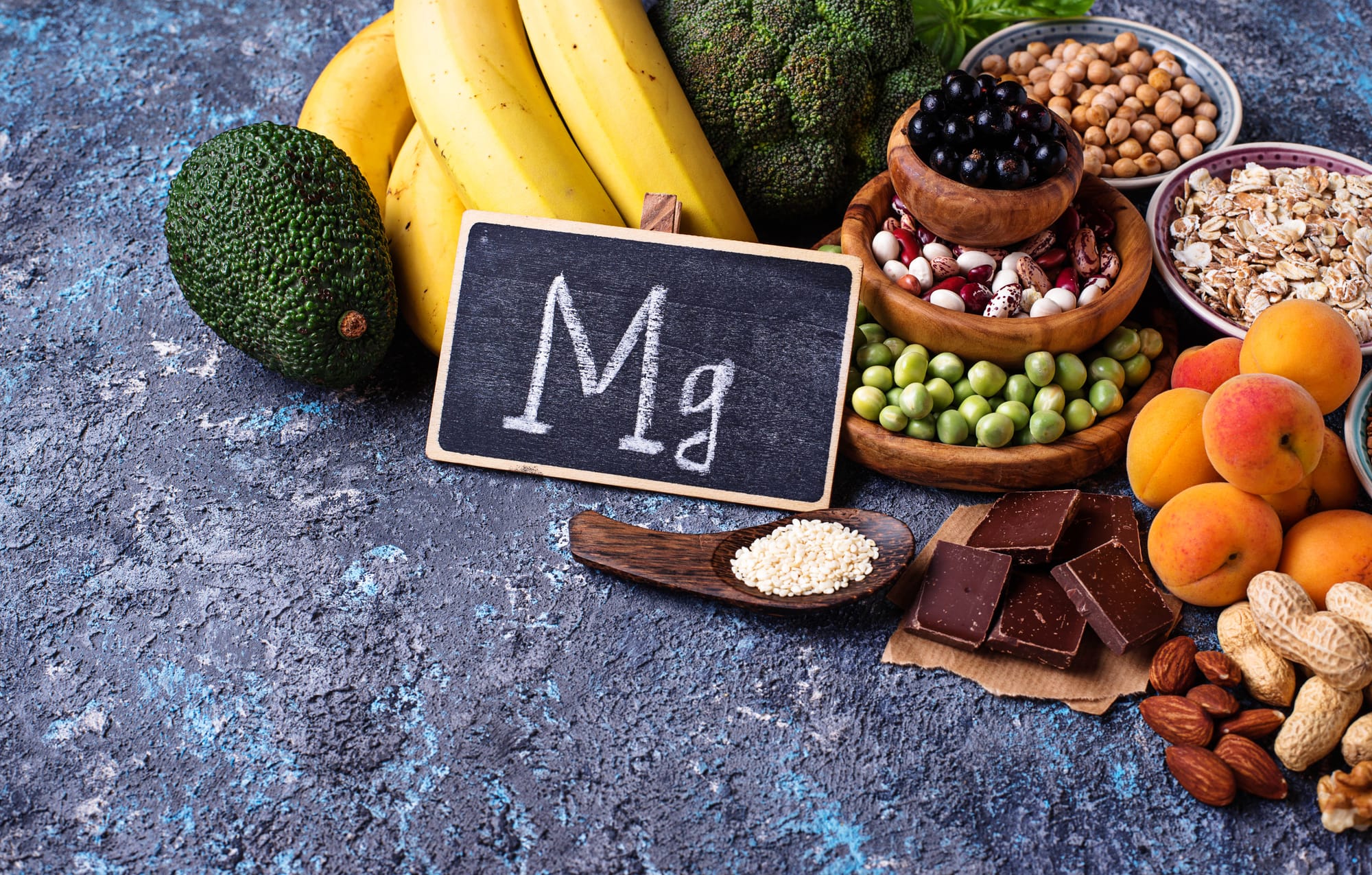
A food-first approach is always the most intelligent strategy. Incorporating magnesium-rich foods into your daily diet is the foundation of sufficiency. Excellent sources include dark leafy greens like spinach and Swiss chard, nuts and seeds such as almonds and pumpkin seeds, avocados, and dark chocolate. However, modern farming practices have led to soil depletion, meaning even these whole foods may contain less magnesium than they did generations ago.
For this reason, targeted supplementation is a practical consideration for many. Not all forms are created equal. Look for highly bioavailable forms like magnesium glycinate, which is known for its calming properties and is gentle on the digestive system, or magnesium L-threonate, which has a unique ability to cross the blood-brain barrier. Avoid magnesium oxide, which has poor absorption rates and is more likely to have a laxative effect. A consistent, strategic approach to intake-both through diet and supplementation-is the key to unlocking the profound benefits of this essential mineral.